
- Not Available
Clearance Up to 30% Off
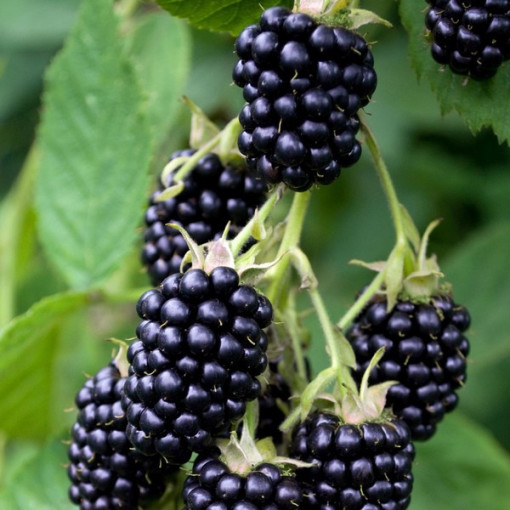
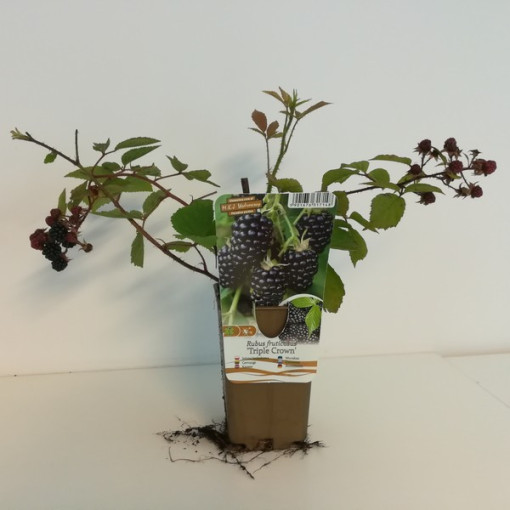
A shrub with stiff canes and a fast growth rate, reaching 1–1.5 m in height. Frost-resistant and easy to cultivate. It fruits very heavily, therefore requires supports. The berries are juicy and very large, with an intense sweet-tart flavour. Prefers sunny or slightly shaded locations and fruits best in slightly acidic, moderately moist soil. Requires supports due to long, heavy fruiting canes.
This is a shrub with stiff canes and a fast growth rate. It reaches 1–1.5 m in height. It is frost-resistant and spreads easily. The fruits of this variety, apart from their nutritional and taste qualities, also have medicinal properties. They show anti-inflammatory, antibacterial and antiviral effects.
Use: Blackberry fruits are suitable both for processing and for fresh consumption. They are large and impressive. Blackberries help cleanse the body of toxins, support the digestive system, and due to their calming properties are recommended for nervous disorders during menopause. Juice from ripe berries can be used externally for compresses on rashes and eczema. The shrub is also ornamental.
Flowering and fruiting: A mid-season variety. The shrub produces relatively high yields. Flowering occurs in April–May. Fruiting begins in July. Flowers are white.
Care: This variety grows best in slightly acidic, fertile, moderately moist soil with a pH of around 6. Remove weeds and fertilise organically. Container-grown plants can be planted throughout the growing season. Spacing in rows: 0.5–2.5 m; spacing between rows: 2.5–3.5 m. All blackberry varieties require supports. Disease and pest control focuses mainly on preventing fruit rot — treat against grey mould, blossom weevil and spider mites with sprays used also for raspberries. Prefers sunny or semi-shaded locations.
Pruning: After harvesting, cut all fruiting canes to the ground along with excess one-year shoots. Leave 5–7 canes for fruiting the following year.