
- -25%
- New
Clearance Up to 30% Off
Characteristics of the species The pomegranate is a heat‑loving fruit shrub known for its decorative flowers and edible fruits with an intense flavour. In nature it grows in warm regions, yet it is increasingly cultivated in gardens and on terraces in temperate climates. The plant remains attractive throughout the season thanks to its glossy leaves, striking flowers and spherical fruits ripening in autumn.
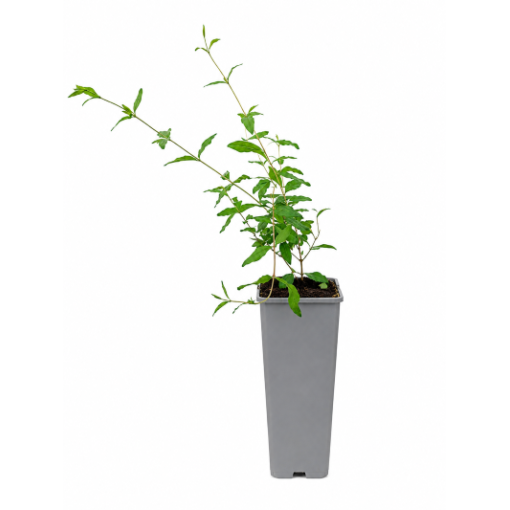
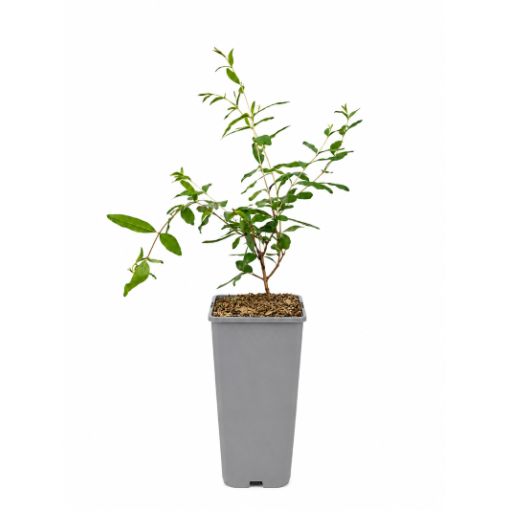
Growth habit The pomegranate forms a dense, branched shrub that usually reaches 1–2 m in height when grown in containers. In warmer regions it can grow larger when planted in the ground. The shoots are stiff and the leaves are small, bright green and highly ornamental. The plant grows at a moderate pace, creating a compact and elegant shape suitable for gardens and pots.
Flowering and fruiting Its most impressive feature is the vivid red or orange flowers that appear from late spring into summer. Under favourable conditions the plant produces fruits that ripen in autumn. The fruits are round and firm on the outside, containing numerous seeds surrounded by juicy flesh. In container cultivation fruiting depends on light and temperature.
Growing requirements The pomegranate needs full sun to flower and fruit abundantly. It thrives in well‑drained, slightly fertile and moderately moist soil. As a heat‑loving species, it is usually grown in pots in cooler climates so it can be moved to a bright, cool room for winter. When planted outdoors it requires a sheltered location and strong frost protection.
Use in the garden and on terraces The pomegranate works well as both an ornamental and edible plant. It can be grown on terraces, balconies, in conservatories and in gardens with a warm microclimate. Its flowers create a strong decorative accent and the fruits add a unique character. It pairs beautifully with Mediterranean plants and species with similar light requirements.