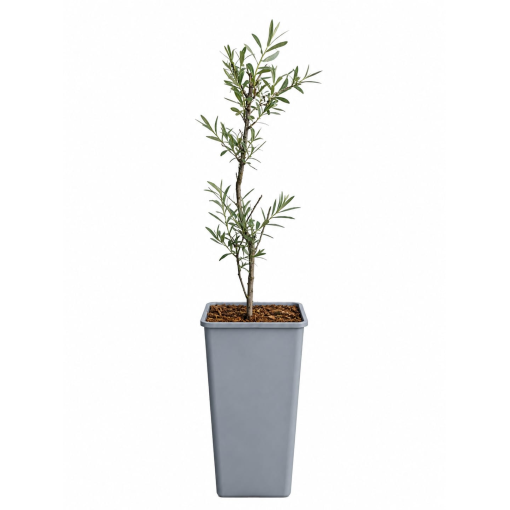
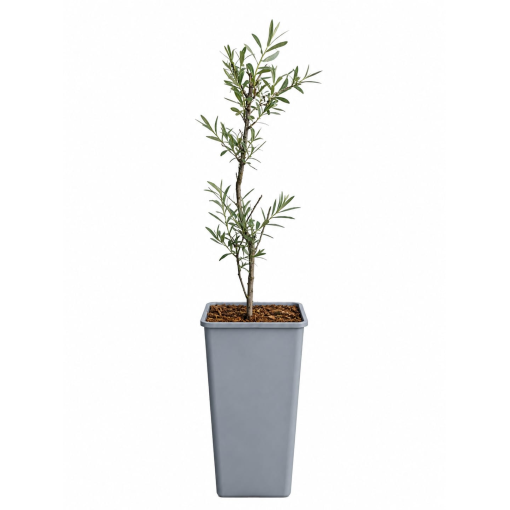
Sea buckthorn (Hippophae rhamnoides) is a deciduous shrub with upright, thorny shoots and highly ornamental fruits. It thrives in harsh conditions, is easy to grow, and its berries are valued for their health‑promoting properties. Sea buckthorn cultivation in the garden requires very little effort, and with the right conditions you can enjoy abundant fruiting and make use of its natural medicinal qualities.
The shrub has stiff, sparsely branched, thorny stems and narrow, grey‑green leaves that fall for winter. Its bright orange fruits with juicy pulp are extremely distinctive. They ripen from late September to October and remain on the branches for a long time. Female plants are especially attractive, producing heavy clusters of fruit that often bend the branches toward the ground.
Sea buckthorn grows best in full sun and light, well‑drained soil. It tolerates poor, sandy, dry and even slightly saline soils, and performs very well on calcareous ground. It is widely used for stabilising sandy areas, slopes and post‑industrial sites. It grows poorly in wet, heavy, clay or waterlogged soils.
Pruning is best done in early spring, when leaf buds swell and become visible. At this time, dry, weak or crossing branches can be easily identified and removed. Pruning should be light. The plant forms strong root suckers, which can make it invasive, but also make it excellent for ground cover, slope reinforcement and dense hedges.