
Clearance Up to 30% Off
New products
Sorting:
Active filters
- New
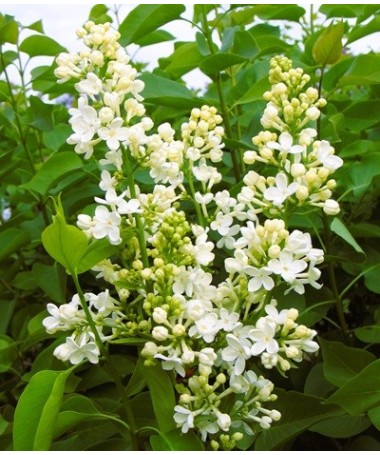
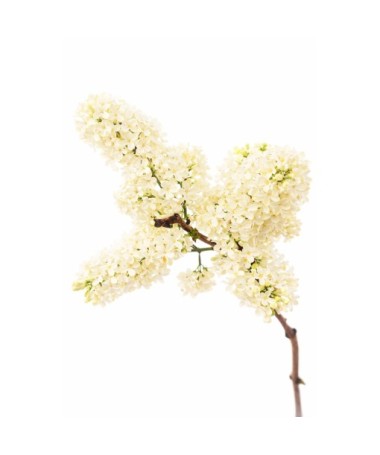
Common lilac ‘Primrose’ C4 (grafting on rootstock)
€28.99
Common lilac ‘Primrose’ is a unique lilac variety with rarely seen creamy‑yellow flowers. It is one of the few lilac cultivars with this colour, making it highly valued in ornamental gardens. It blooms abundantly in May, producing large, fragrant panicles that stand out beautifully against the...
- New
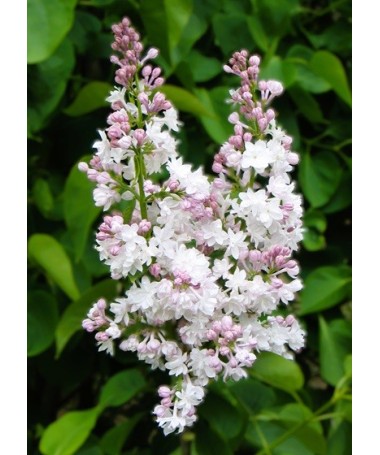
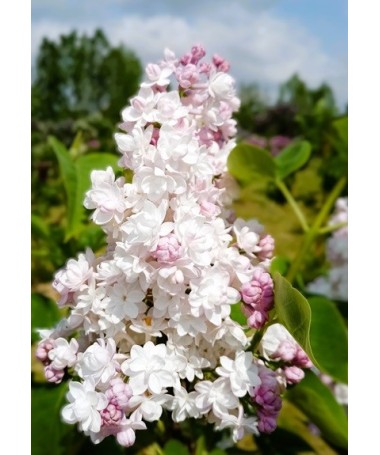
Common lilac ‘Krasavitsa Moskvy’ C4 (grafting on rootstock)
€31.99
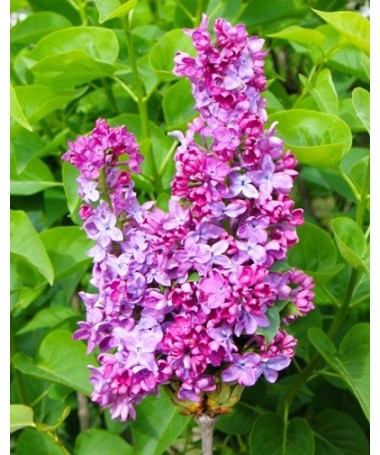
Common lilac ‘Krasavitsa Moskvy’ (Beauty of Moscow) is one of the most valued lilac varieties, known for its exceptionally decorative, fully double flowers. The cultivar was bred in Russia and quickly...
- New
Common lilac ‘Leonid Leonov’ C4 (grafting on rootstock)
€28.99
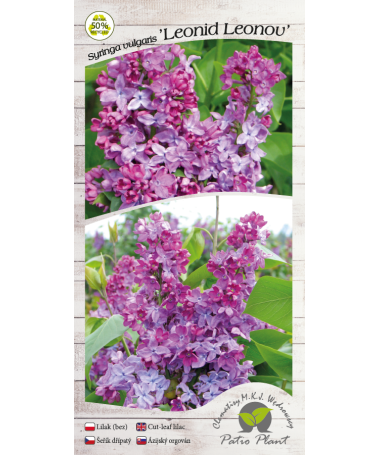
Common lilac ‘Leonid Leonov’ is a decorative lilac variety valued for its abundant flowering, intense fragrance, and resistance to climatic conditions. It performs perfectly in home gardens, parks, and naturalistic plantings. It is an excellent choice for those looking for an impressive,...
- New
- Not Available
Catalpa C6 (standard form – lower version)
€22.99
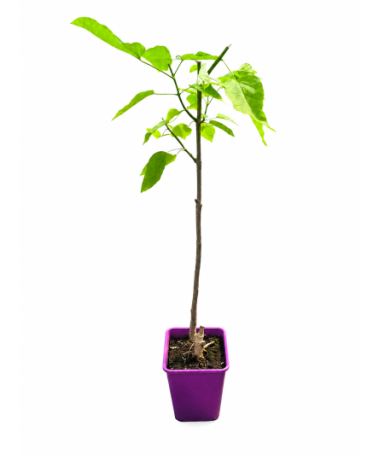
The standard Catalpa trained on a clear stem is an elegant ornamental tree form, featuring a single straight trunk topped with a regular, rounded or umbrella-shaped crown. This gives the tree a compact habit and an exceptionally attractive appearance. The offered variant is a smaller specimen...
- New
- Not Available
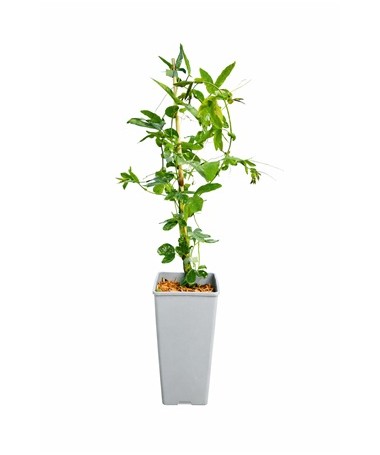
Passiflora (Passionflower) Lavender Lady C2
€9.99
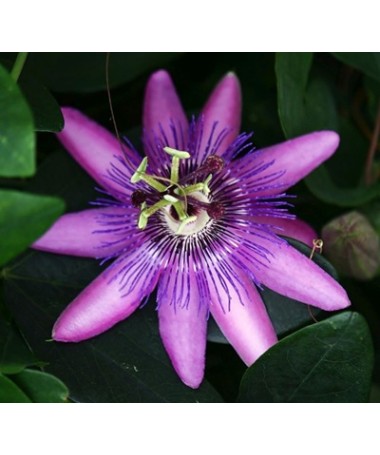
The Passionflower is a climbing plant species belonging to the Passifloraceae family. In indoor conditions, it reaches a height of about 3 meters. The flowers grow individually in the leaf axils. They have a diameter of 6-8 cm and a very unique structure. They grow singly in the leaf axils and...
- New
- Not Available
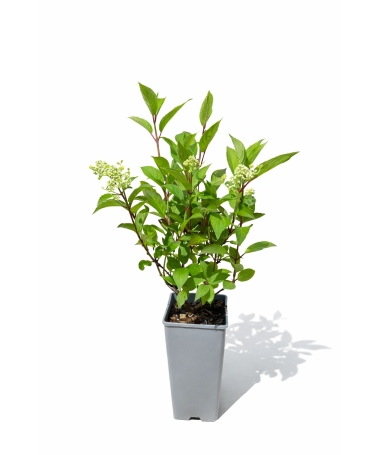
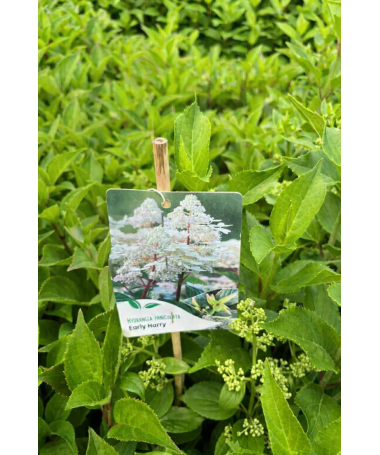
Panicle Hydrangea 'Early Harry' P9/C1
€5.99
Panicle Hydrangea 'Early Harry' is an attractive variety distinguished by its early flowering and elegant growth habit. It produces numerous conical flower clusters in light shades that gradually develop delicate pink tones, allowing the plant to remain highly ornamental for a long period. Its...
- New
- Not Available
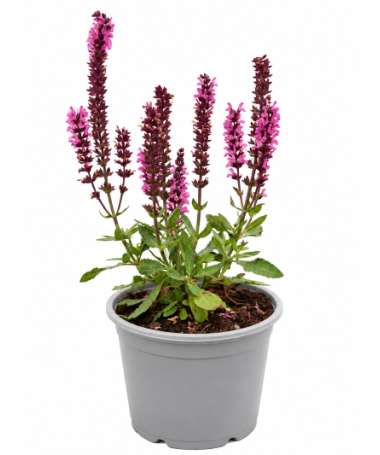
Woodland Sage ‘Midnight Rose’ C1.5
€5.99
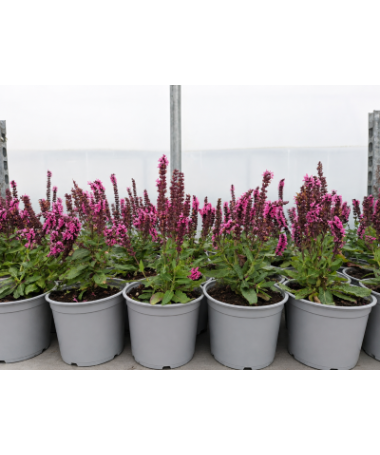
Salvia nemorosa ‘Midnight Rose’ is a variety that attracts attention with its deep purple‑violet flowers and elegant, compact habit. It forms dense clumps of aromatic leaves, above which numerous upright flower spikes appear from early summer. Thanks to its strong stems, the plant maintains an...
- New
- Not Available
Rhododendron (Azalea) Lee’s Dark Purple C2
€9.99
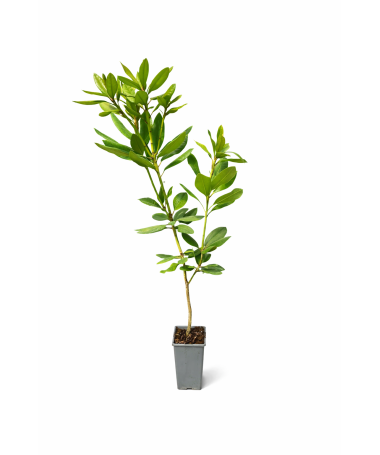
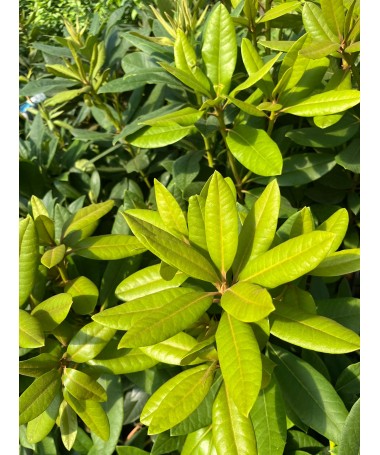
The Rhododendron (Azalea) Lee’s Dark Purple is a striking evergreen variety known for its deep, rich purple flowers forming dense, showy clusters. It blooms profusely in May, adding a bold and elegant colour accent to any garden. With its compact growth habit, it fits perfectly into home gardens,...
- New
- Not Available
Rhododendron (Azalea) 'Cream Crest' C4
€12.99
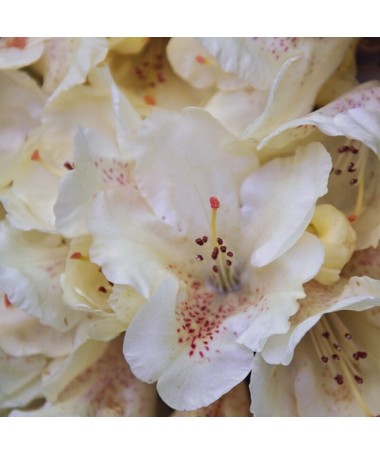
A slow-growing variety with an upright habit. It grows to about 60 cm. It blooms in the second half of April. Its flowers are cream-yellow in color. It grows well in a semi-shaded position, sheltered from strong and cold winds. The soil should be fertile, humus-rich, moderately moist, and acidic.
- New
- Not Available
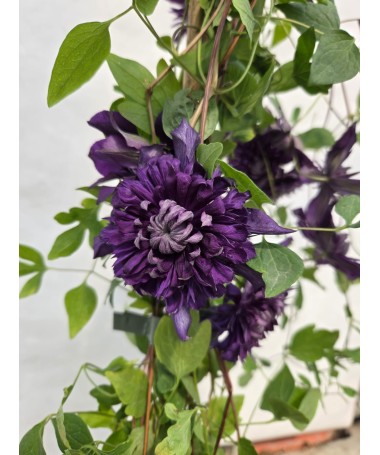
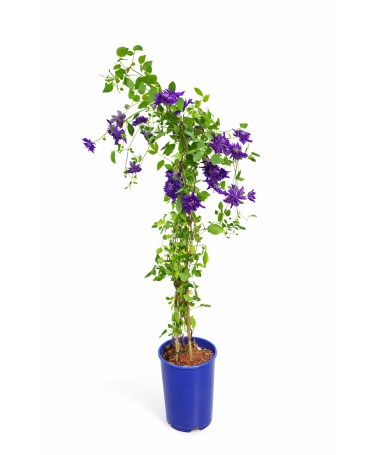
Clematis ‘Kokonoe’® C4
€22.99
Clematis ‘Kokonoe’® is an exceptional Japanese clematis variety with full, multi‑petaled flowers in shades of violet and purple. It blooms extremely abundantly and for a long time, from late spring until autumn, creating an impressive decorative curtain on pergolas, gazebos and fences. This...
- New
- Not Available
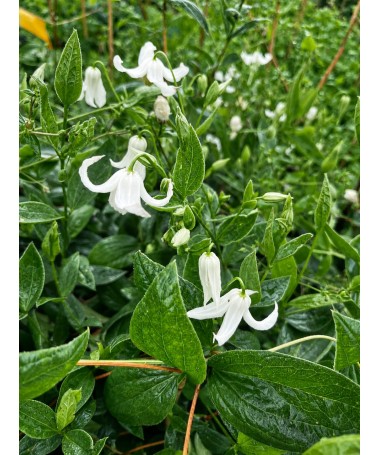
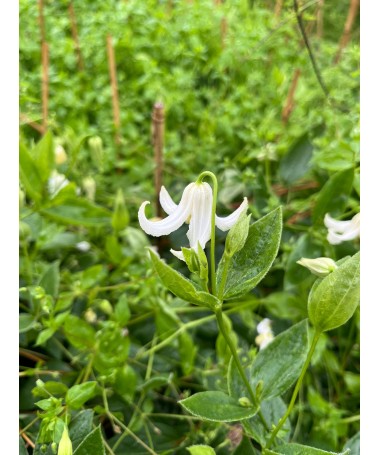
Clematis ‘Alba’ C4
€20.99
Clematis integrifolia ‘Alba’ is an exceptional low-growing herbaceous clematis forming compact clumps reaching around 40–70 cm in height. Unlike climbing clematis varieties, it does not attach itself to supports but grows upright on stiff stems that produce numerous white, bell-shaped flowers...
- New
- Not Available
- New
- Not Available
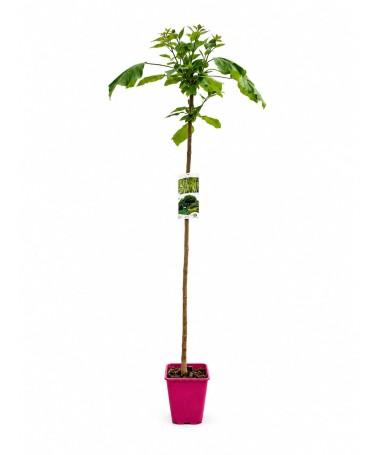
Catalpa C6 (standard tree)
€41.99
Catalpa trained on a trunk is an elegant ornamental tree form with a single straight stem topped with a regular, rounded or umbrella‑shaped crown. Thanks to its compact habit, it brings a refined, architectural accent to any garden.