
Clearance Up to 30% Off
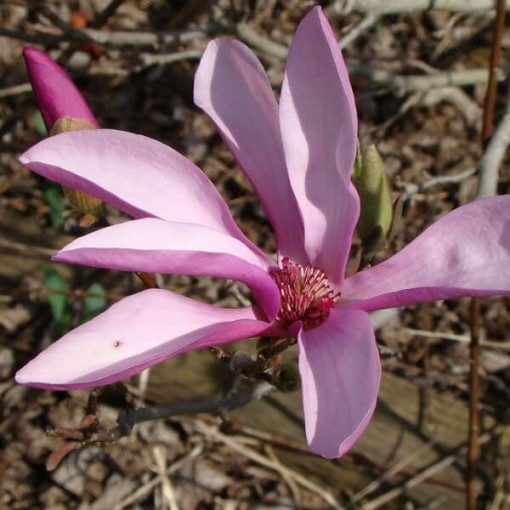
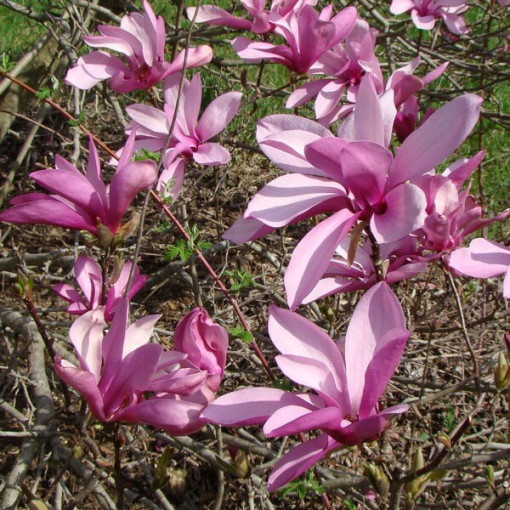
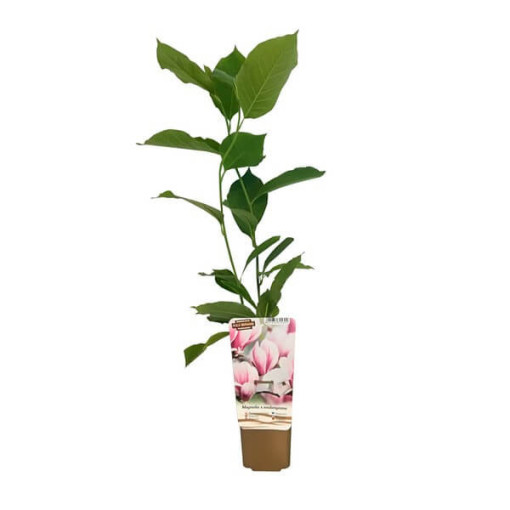
The most popular variety of magnolia. It grows as a shrub with a loose and spreading crown. Sometimes it takes the form of a small low-stemmed tree. It reaches a height of 3 to 6 meters. The flowers are large, pink on the outside, white inside, like all magnolias, appearing before the leaves unfold. The leaves are green, leathery, and turn yellow in autumn before falling off. Magnolia does not like strong and cold winds, but prefers sheltered and protected places. It does not tolerate pruning but dry leaves and shoots can be removed. The soil should be fertile and slightly acidic.
The most popular variety of magnolia. It grows as a shrub with a loose and spreading crown. Sometimes it takes the form of a small low-stemmed tree. It reaches a height of 3 to 6 meters. The flowers are large, pink on the outside, white inside, like all magnolias, appearing before the leaves unfold. The leaves are green, leathery, and turn yellow in autumn before falling off.
Usage: Suitable for any garden, but also for urban green plantings.
Flowering: Long and abundant, it begins in April and lasts until May.
Exposure: South-facing, the best spot for it is a sheltered, warm, and protected location.
Care: Magnolia requires fertile, slightly acidic soil rich in nutrients. Due to its shallow root system, plant it not too deep in a mixture of compost. Mulch with pine bark to a thickness of about 5 cm. It’s good to fertilize with special fertilizers for acid-loving plants. It doesn’t tolerate drought well, so regular and fairly abundant watering is necessary. Young seedlings should be covered and mounded for the winter, older plants do not require this.
Pruning: Magnolias do not tolerate pruning well. Only dry, dead shoots can be removed.