
Clearance Up to 30% Off
The lime tree is characterized by a straight trunk, which is branchless up to about half of the tree’s height. The bark of a young sapling is smooth and greenish-gray. This changes as the tree ages, with the bark cracking lengthwise and turning dark gray to almost black.
The lime tree is characterized by a straight trunk, which is branchless up to about half of the tree’s height. The bark of a young sapling is smooth and greenish-gray. As the tree ages, the bark begins to crack lengthwise and changes to dark gray to almost black.
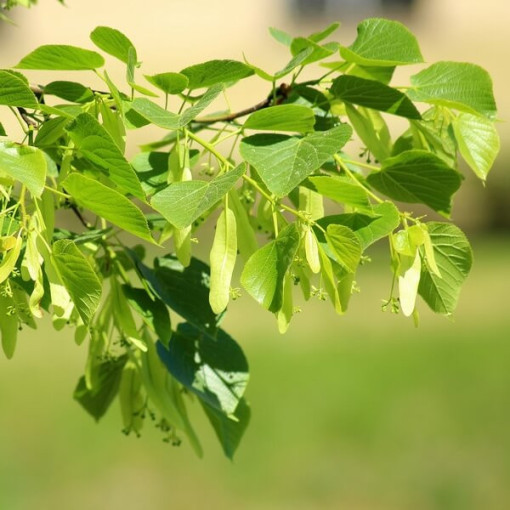
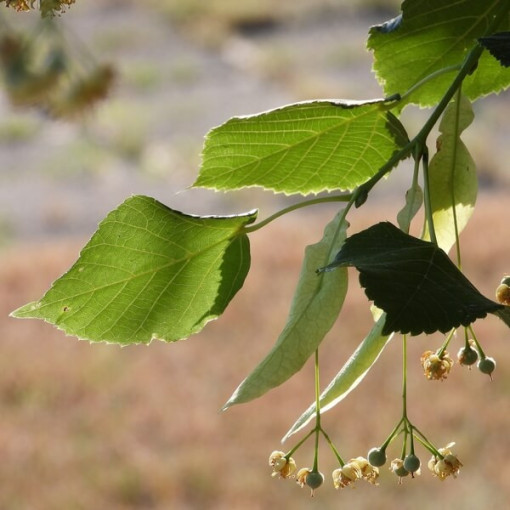
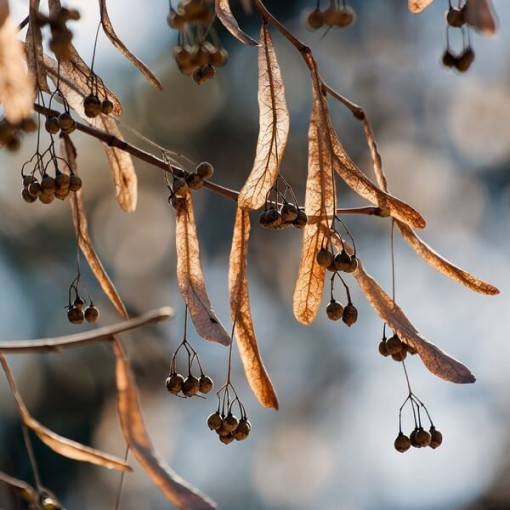
The leaves of the lime tree are small, about 6-7 cm in size, with slightly serrated edges. The flowers form loose yellow cymes with a very strong, honey-like fragrance. The fruits are small, round, black nuts with wings.
Lime trees are highly nectariferous, which makes them very attractive to bees. The flowers are collected for medicinal purposes away from roads and areas where spraying is done. It is best to collect them at the beginning of the flowering period. They can be easily dried in natural conditions, in a sheltered and well-ventilated place.
Lime tree inflorescences have sweat-inducing and fever-reducing properties for colds or respiratory infections. It is also used in the treatment of kidney and bladder diseases and neuroses.
The lime tree is valued not only for its beauty but, above all, for its medicinal and honey-producing properties.