
- New
Clearance Up to 30% Off
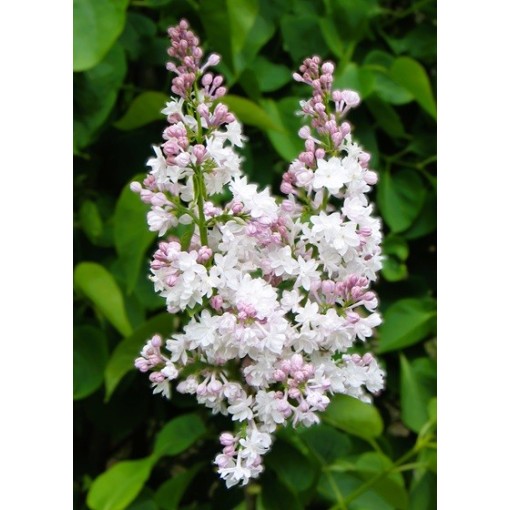
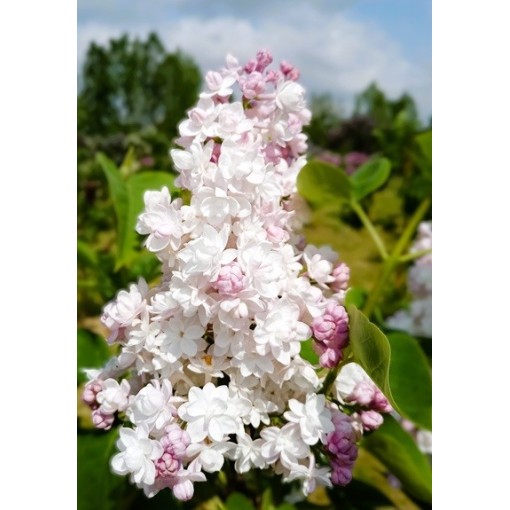
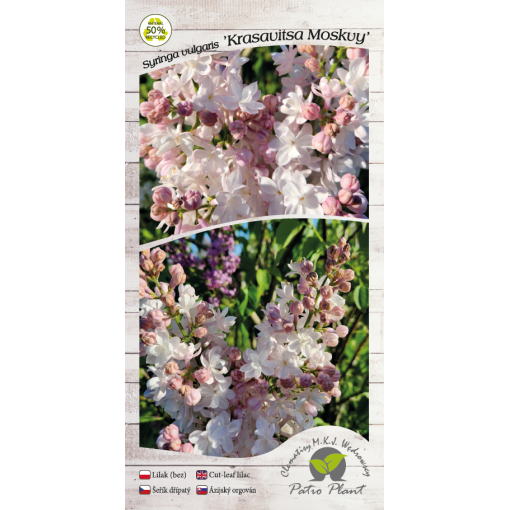
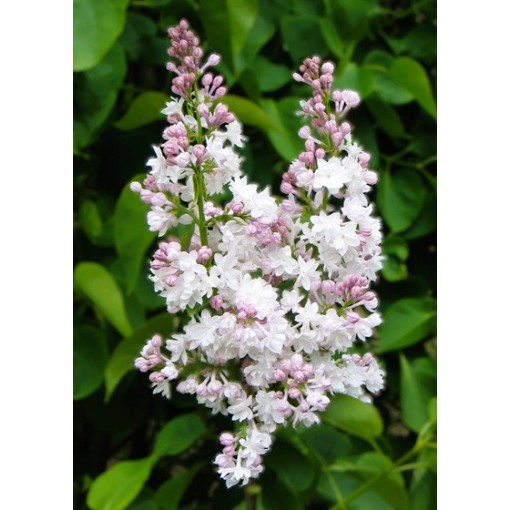
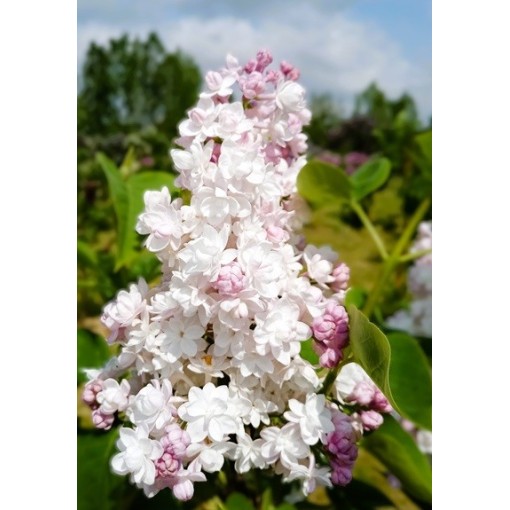
Common lilac ‘Krasavitsa Moskvy’ (Beauty of Moscow) is one of the most valued lilac varieties, known for its exceptionally decorative, fully double flowers. The cultivar was bred in Russia and quickly gained popularity across Europe thanks to its unusual flower colour and intense fragrance. The shrub is distinguished by its elegant habit, abundant flowering and high frost resistance, making it an excellent choice for home gardens, parks and representative plantings.
Common lilac ‘Krasavitsa Moskvy’ (Beauty of Moscow) is one of the most valued lilac varieties, known for its exceptionally decorative, fully double flowers. The cultivar was bred in Russia and quickly gained popularity across Europe thanks to its unusual flower colour and intense fragrance. The shrub is distinguished by its elegant habit, abundant flowering and high frost resistance, making it an excellent choice for home gardens, parks and representative plantings.
|
Grafted seedling |
Height: 3–4 m Width: 2–3 m Habit: upright, dense, well‑branched Flowers: double, bicolour; pink buds, opening white with a delicate pink tint Fragrance: intense, sweet, typical of lilacs Blooming: May – early June Leaves: dark green, heart‑shaped Hardiness: very high (zone 3–4) Site: sunny or lightly semi‑shaded Soil: fertile, moderately moist, well‑drained, slightly alkaline
• Site: grows best in full sun, where it blooms most abundantly. • Watering: moderate; tolerates short periods of drought. • Pruning: performed right after flowering, removing spent panicles and shaping the shrub. • Fertilizing: in spring with multi‑component fertilizers or compost.