
Clearance Up to 30% Off
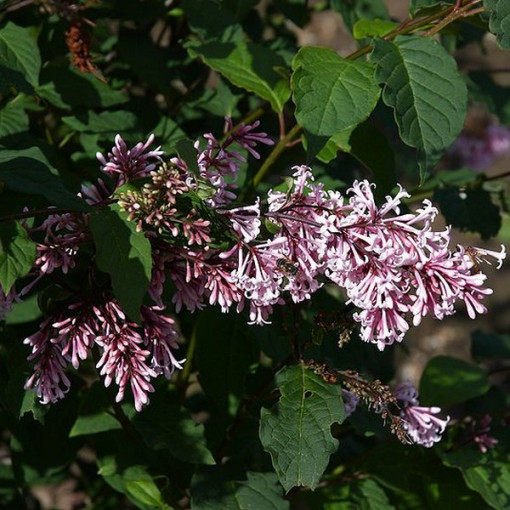
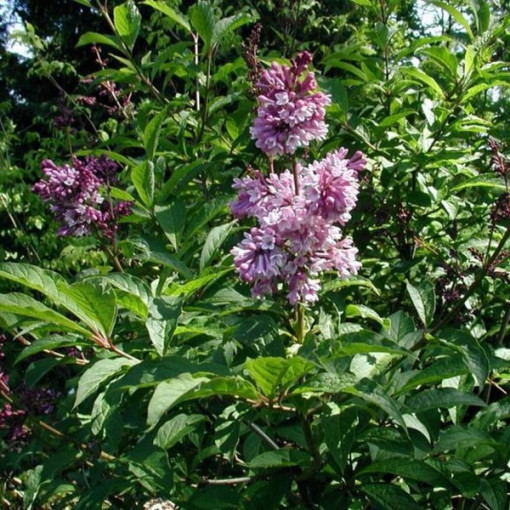
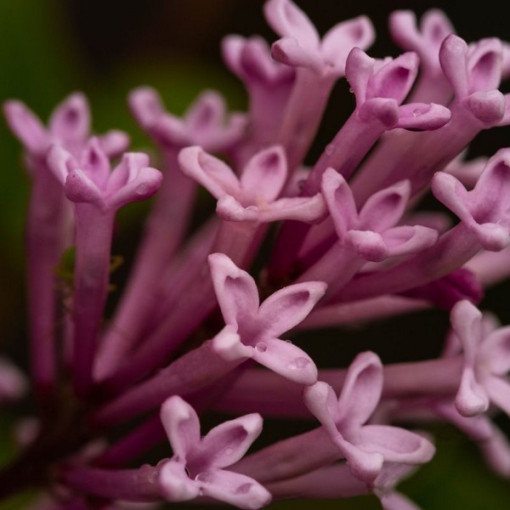
Its natural habitat includes areas of Hungary, the Eastern Carpathians, and the Balkans. It is a shrub with well-formed, upright branches, growing up to 4 m in height. The flowers are dark purple, gathered in dense, narrow, upright panicles reaching 20 cm in length. It is resistant to drought and frost. It blooms later than the common lilac. Flowers appear in May and June. It prefers a sunny or partially shaded position. Like most lilacs, it has no specific soil requirements. It grows well in any average garden soil.
Uses: Suitable for any garden. Due to its high tolerance to pollution, it can be used in public greenery. When planted in a row, it creates a beautiful, fragrant hedge. Cut lilac branches are perfect for bouquets and vases.
Blooming: May and June.
Position: Sunny or possibly partial shade.
Care: It does not require special treatments and grows best in fertile, well-drained soil with a neutral or slightly alkaline pH.
Pruning: It is recommended to immediately remove faded flower heads. This procedure promotes more abundant blooming the following year.