
Clearance Up to 30% Off
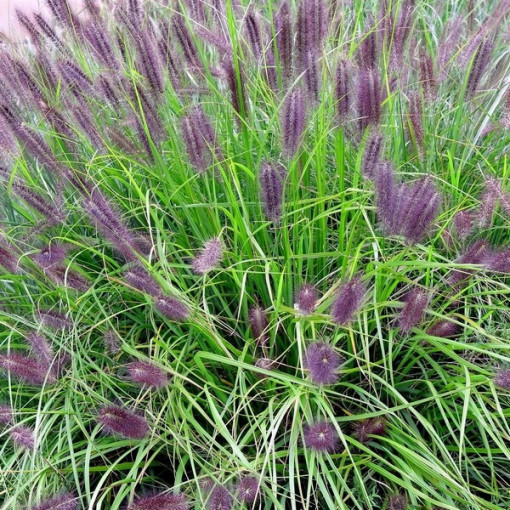
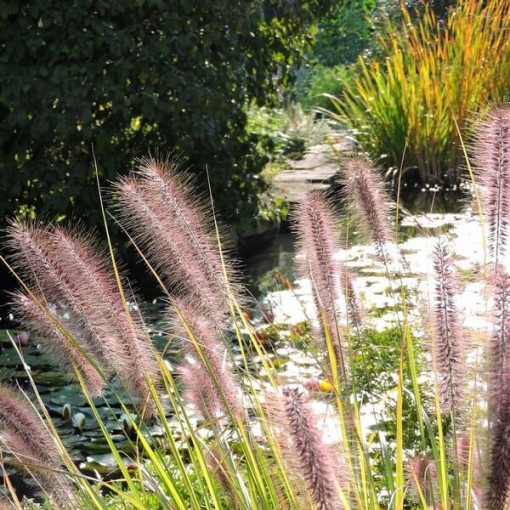
Pampas grasses are a wide group of ornamental grasses, often planted in gardens with various themes. The most valued group are Japanese pampas grasses, also called feather grasses, due to their beautiful and original flower heads. This grass grows up to 100 cm, characterized by a symmetrical habit. When planting, it is important to maintain a spacing of 80-120 cm. In spring, the narrow green leaves arch down, creating dense, cascading clumps. From the second half of summer, the dominant decorative feature becomes the soft red flowers. As they fade, in autumn, they take on shades of purple and beige.
Pampas grasses are a wide group of ornamental grasses, often planted in gardens with various themes. The most valued group are Japanese pampas grasses, also called feather grasses, due to their beautiful and original flower heads. This grass grows up to 100 cm, characterized by a symmetrical habit. When planting, it is important to maintain a spacing of 80-120 cm. In spring, the narrow green leaves arch down, creating dense, cascading clumps. From the second half of summer, the dominant decorative feature becomes the soft red flowers. As they fade, in autumn, they take on shades of purple and beige.
Pampas grass prefers a sunny or slightly shaded location. Like other grasses, it doesn't require much care and is resistant to pests and diseases. It grows best in fertile, but well-drained, moderately moist soil. It requires warm, sheltered spots.
Dead leaves should be cut in early spring. It is frost-resistant, but young plants should be well covered in cold regions. During the growing season, the plants should be watered generously and fertilized. After a few years, it is advisable to divide the clumps, as this will rejuvenate the plants.
It fits perfectly into plantings among stones, rocks, or gravel arrangements. It is also suitable for container cultivation on terraces and balconies.