
- Not Available
Clearance Up to 30% Off
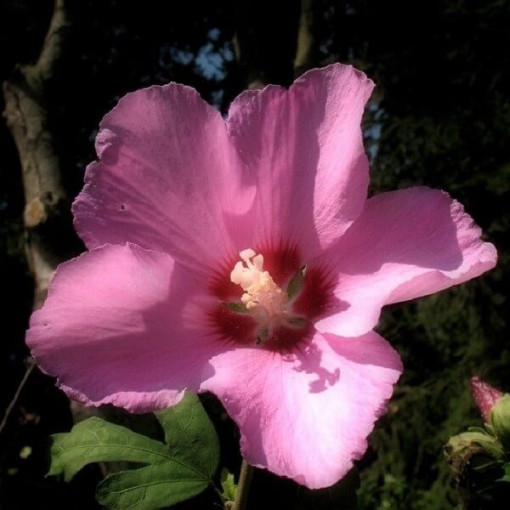
A highly valued variety of Hibiscus. It typically grows to about 1.5 meters. It has large lilac-pink flowers. The variety is moderately frost-resistant and has better chances of survival in the warmer regions of Poland. It prefers a warm, sunny, and wind-sheltered spot. The plant needs to be watered regularly as it does not tolerate drought. It should be planted in fertile, well-drained, and moderately moist soil with a neutral or alkaline pH.
A highly valued variety of Hibiscus. It typically grows to about 1.5 meters. It has large lilac-pink flowers. The variety is moderately frost-resistant, and it has better chances of survival in the warmer regions of Poland.
Flowering: From August to September.
Conditions and Requirements – for growing Syrian Hibiscus Maike, it is best to choose a sunny, warm, and wind-sheltered spot. It grows well in fertile, humus-rich, and well-drained soil, with a pH ranging from slightly acidic to alkaline. The shrub requires a moderately moist position. When planted in poor soil, the shrub will flower poorly.
Care – the shrub needs regular but moderate watering. During drought, brown spots appear on the leaves. Syrian Hibiscus Maike is a slow-growing variety, so it doesn't require pruning. However, it is recommended to perform rejuvenating pruning in March or April, removing old shoots. Syrian Hibiscus is a heat-loving plant and is not very frost-resistant. Therefore, during the winter, the shrubs need to be covered. Young shrubs are most vulnerable to freezing. To protect the plant, a mound made of dry leaves or needles should be piled at the base of the shrub, and the soil should be mounded up to about 30 cm. During the flowering period, it is recommended to fertilize the shrubs, preferably with organic fertilizers.
Use – due to its abundant, long blooming and, above all, beautiful flowers, it is best to plant Syrian Hibiscus Maike in prominent spots in gardens and parks. It is also suitable as a potted plant, making it perfect for balconies and terraces.
It looks impressive when planted individually or in groups with other plants. It is successfully used as an informal hedge.