
- Not Available
Clearance Up to 30% Off
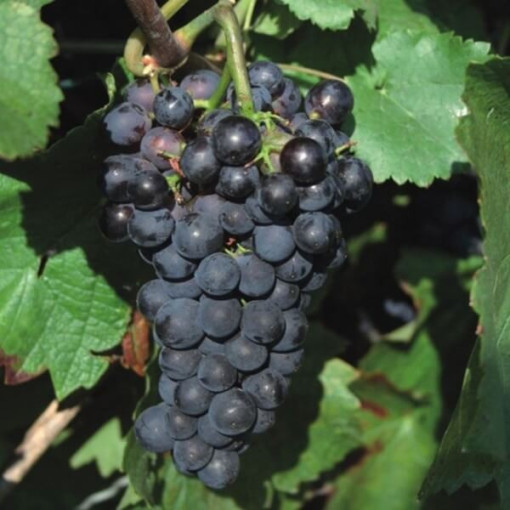
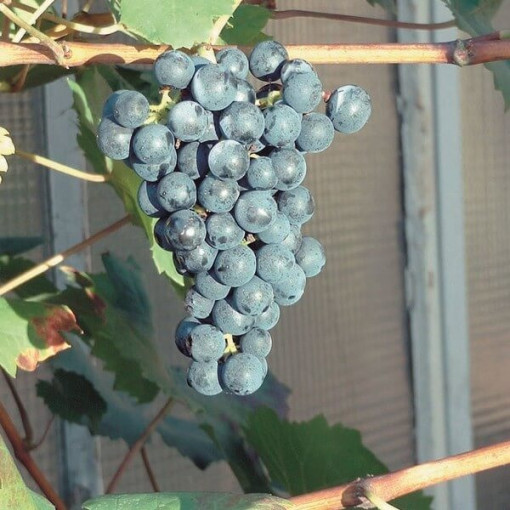
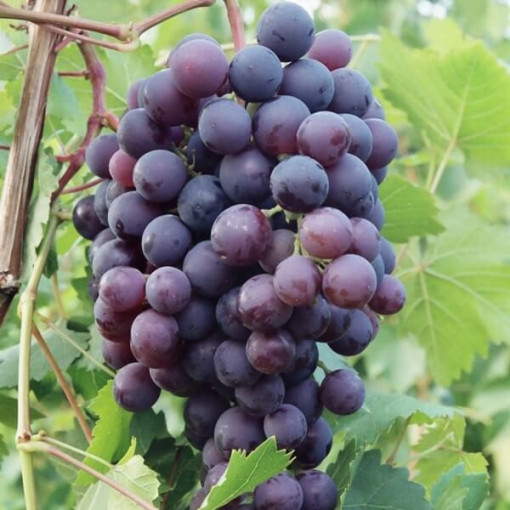
A shrub with strong growth, successfully grown throughout Poland. Clusters of medium size, less often large, moderately compact, evenly filled, attractive. The berries are medium-sized, slightly elliptical or round, dark blue. In favorable years, the yield from one shrub can be 4-8 kg of grapes. The leaves turn purple in the autumn. It prefers a warm and sunny position, sheltered from strong and cold winds. The best soil for grapes is fertile, sandy-loamy, and slightly moist.
A shrub with a strong growth force, successfully grown throughout Poland. Clusters of medium size, less often large, moderately compact, evenly filled, attractive. The berries are medium-sized, slightly elliptical or round, dark blue. In favorable years, the yield from one shrub can be 4-8 kg of grapes. The leaves turn purple in the autumn. Due to its high health and very abundant fruiting, this variety is grateful and very easy to cultivate. Eating grapes strengthens the body's immunity to infections. Grapes also contain vitamin A, which positively affects vision, and B vitamins, which help reduce stress. They also contain iron and iodine, which regulate thyroid function.
Ripening: early September.
Care: At the beginning of November, cover the shrubs with soil (peat), creating a mound of about 30 cm in height over each, securing a few of the lowest buds. In the first year after planting, lead on 1 shoot. Pruning in the following years depends on the adopted methods of training and pruning grapevines.
Planting: Plant 10-15 cm deeper than it was in the pot. Smaller plants are planted in a depression and covered with soil only in the autumn. This method of planting significantly increases the frost resistance of grapevines.