
Clearance Up to 30% Off
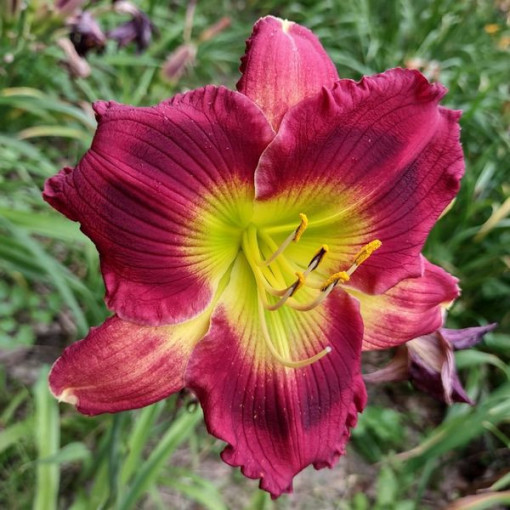
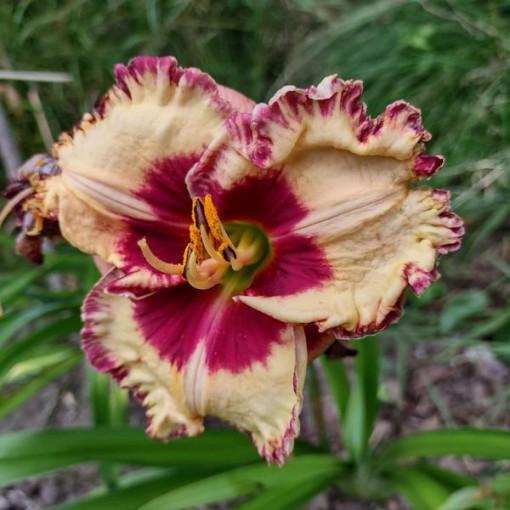
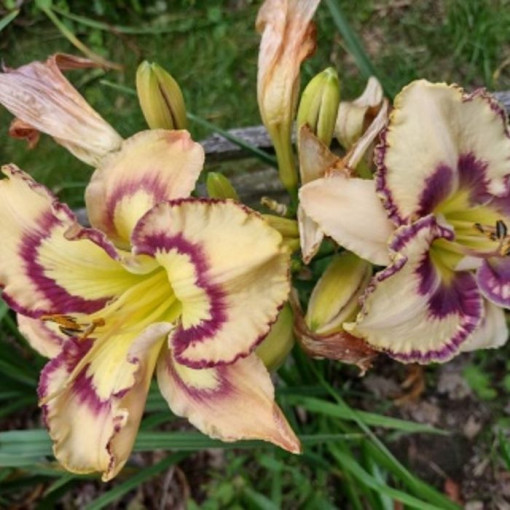
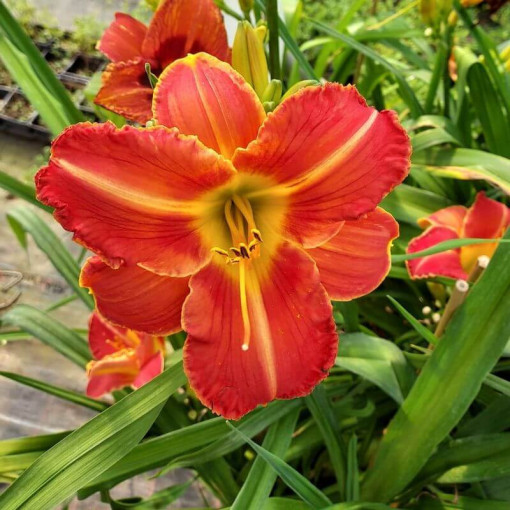
Daylilies are perennials. They can grow for many years in one place, forming an increasingly larger clump. Light shading does not affect the color of the flowers. They tolerate drought well, but they grow better in fertile and moist soils. They are resistant to most diseases and pests. This offer concerns 1 piece of Daylily in a 2L pot from the red, burgundy, carmine color group with light elements.
Daylilies are perennials. They can grow for many years in one place, forming an increasingly larger clump.
Light shading does not affect the color of the flowers.
They tolerate drought well, but they grow better in fertile and moist soils. They are resistant to most diseases and pests.
The root system typically consists of short, bulbous rhizomes and long, fleshy roots. The basal leaves are grass-like or linear, forming large clumps, from which flower stems with many buds emerge. Individual flowers last for one day – hence the English name "daylily". However, with a large number of buds, flowering can last over a month.
Cold tolerance varies. Fully hardy varieties belong to the so-called "dormant" group, which lose their leaves in winter. The second group, the semi-evergreens ("semievergreens"), are practically fully hardy under Polish conditions. Both groups are available in our assortment.
Daylilies should be planted 50-100 cm apart. When planting, cover the growth cones with a 2-3 cm layer of soil.
When you receive the daylilies, the tips of their leaves may be cut for practical reasons, which does not affect the quality of the plant. Some leaves may be slightly yellowed. This is normal and does not harm the daylilies.
Dig a hole deep enough to accommodate the roots and the growth cone (the part between the roots and leaves). After planting, water thoroughly.
This offer concerns 1 piece of Daylily in a 2L pot from the red, burgundy, carmine color group with light elements. Our assortment is carefully selected, containing varieties with beautiful, diverse colors and unique shapes.