
Clearance Up to 30% Off
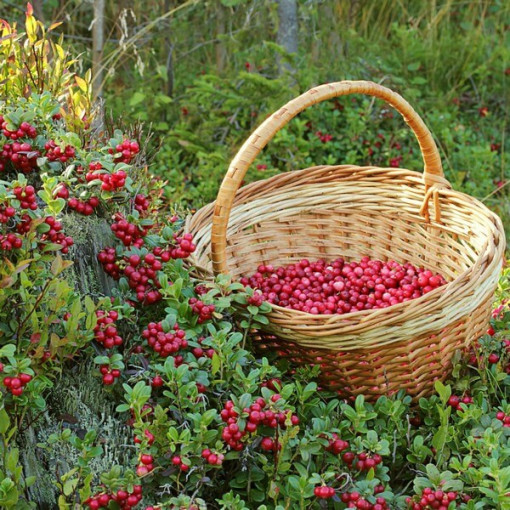
'Pilgrim' large-fruited cranberry is a vigorous variety that produces numerous thick fruiting shoots. The fruits are rich in nutritional, flavorful, and medicinal properties. They help treat colds, flu, sore throat, and winter fatigue. The juice prevents kidney stones and helps treat glaucoma. Cranberries require acidic soil. They prefer sunny or semi-shaded positions. This is a frost-resistant plant, but in spring, sudden temperature drops and frost may cause damage.
'Pilgrim' large-fruited cranberry is a vigorous variety. It produces numerous thick fruiting shoots. The fruits are rich in nutrients, flavor, and medicinal properties. They help treat colds, flu, sore throat, and winter fatigue. The juice prevents kidney stone formation and helps treat glaucoma. It is a true blessing for people with varicose veins, hypertension, and diabetes. Cranberry cultivation is gaining popularity due to the many dietary and health benefits of its fruits. In the kitchen, cranberries are used as a seasoning for meats, cheeses, and as an ingredient in mousses, juices, and cakes.
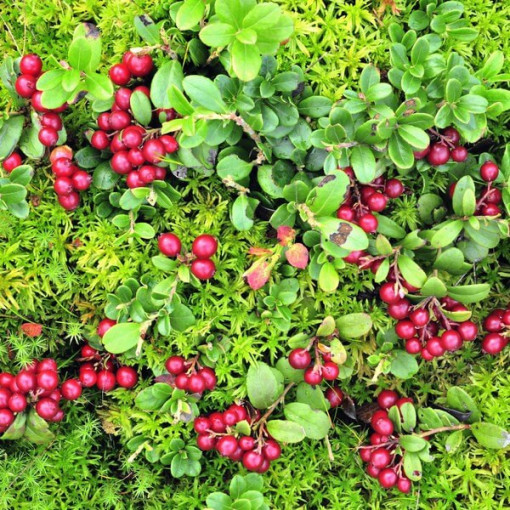
Use: Recommended for every garden, not only for its health benefits but also for its decorative value – e.g. in rock gardens (beautifully cascades), in marshy zones by garden ponds, as groundcover, or under acid-loving plants. Target height is 20 cm, but shoots can reach 180 cm in length! It is advisable to cover it for winter using agrotextile, straw, or sawdust. It can also be grown in containers on balconies, in partial shade.
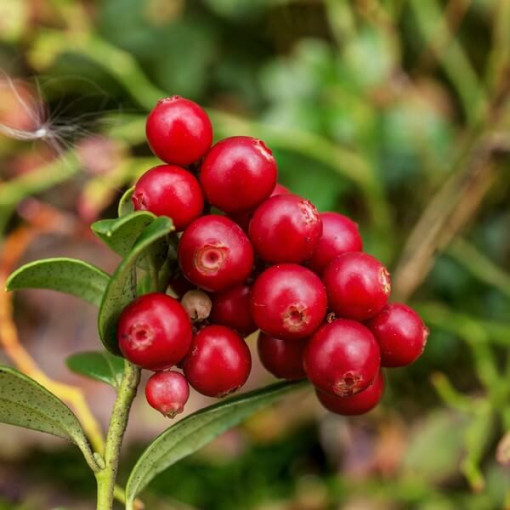
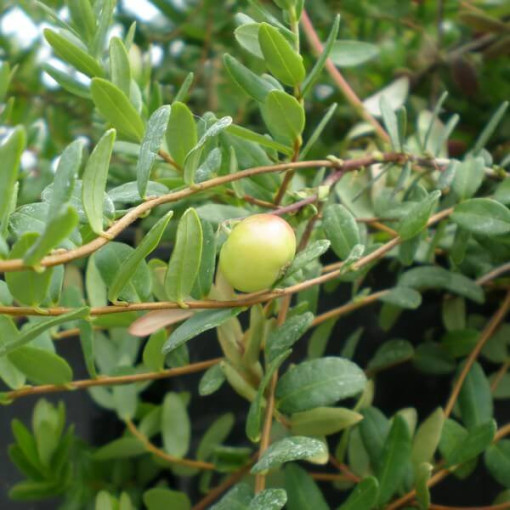
Flowering and fruiting: Flower buds form in July. Flowers are single and pink. The fruits are red, ornamental, edible, and round. Fruits appear after about 3–4 years of cultivation. They are very large, oval, purplish-red, ripening in October and store well. Fruits can be frozen, used for jams, or dried. Leaves are evergreen, red and purple. In summer, the fruits are green, turning red between September and October.
Position: Sunny or semi-shaded.
Care: Sandy, average garden soil, humus-rich and consistently moist (e.g. along ponds). Requires acidic soil with pH 3.2–4.5 (preferably acidic peat or peat with sawdust), moist and rich in organic matter. Likes sunny or semi-shaded positions. Dig the soil well, replace it with peat to a depth of 15 cm, moisten before planting. Plant 6–8 pieces per m².