
- Not Available
Clearance Up to 30% Off
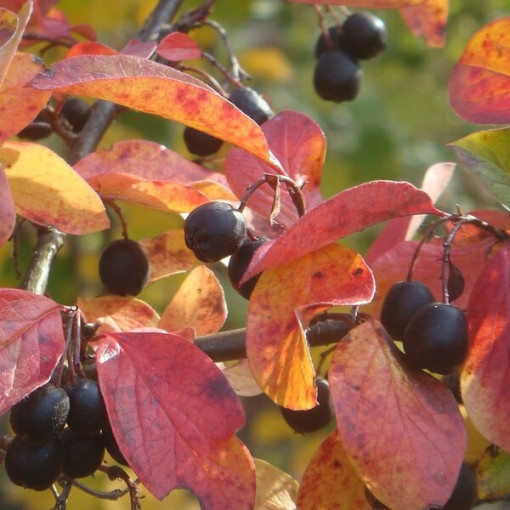
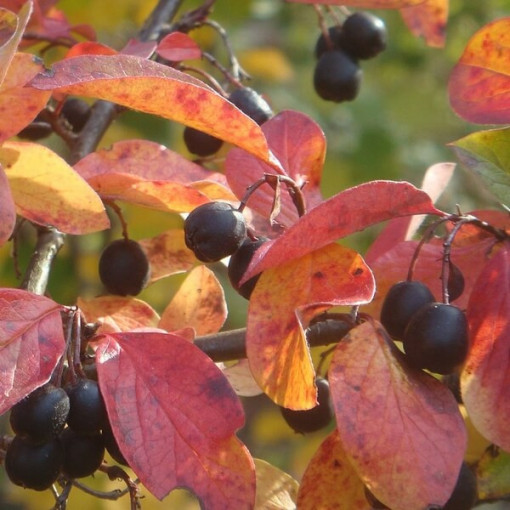
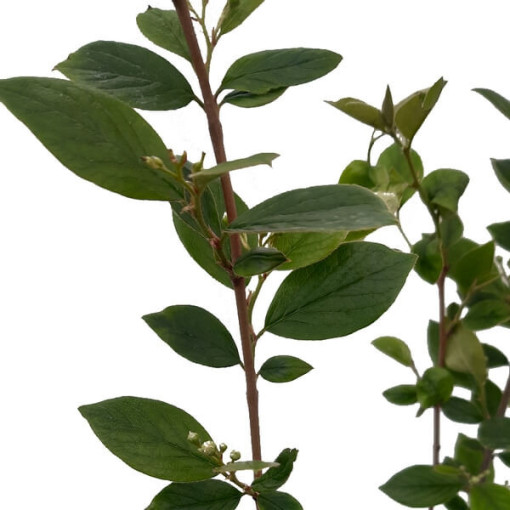
The Cotoneaster is an easy-to-grow shrub and at the same time very decorative and impressive. It has dark green, often glossy leaves that, depending on the variety, can change color or fall off during the winter. The fruits of the shrub are very interesting and original, often appearing in intense red, blue, or orange colors.
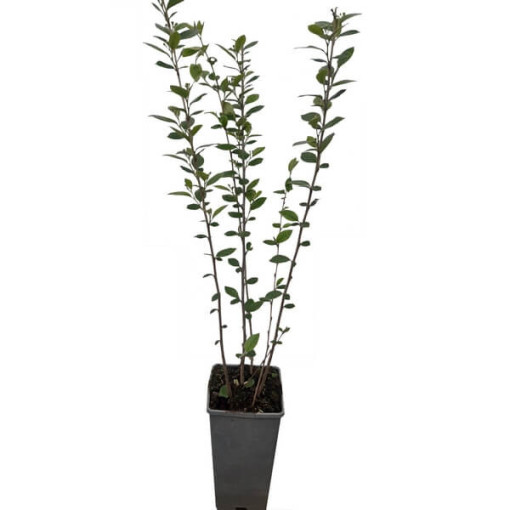
The Cotoneaster is an easy-to-grow shrub and at the same time very decorative and impressive. It has dark green, often glossy leaves that, depending on the variety, can change color or fall off during the winter. The fruits of the shrub are very interesting and original, often appearing in intense red, blue, or orange colors. The Cotoneaster is also diverse in terms of shape. Depending on preferences and the possibilities of the garden, we can choose a shrub with trailing stems that spread across the ground or with a tall, spreading form. Low species are perfect for rock gardens or as lawn decorations, while tall Cotoneasters can be shaped by pruning to create hedges. The Cotoneaster maintains its decorative features throughout the year! Both the multicolored leaves and the small white flowers or fruits in juicy red colors can be ornamental. Cotoneaster looks great in the middle of summer as well as in winter when our garden is covered in a white blanket. Cotoneasters that drop their leaves in winter require sunny locations, while evergreen species (which keep their leaves throughout the year) can grow in sunny spots as well as in partial shade. This shrub grows well in almost any soil, even poor, mineral-deficient, and stony ones. However, it is important not to overwater the Cotoneaster, as it does not tolerate waterlogged positions. The best soil for this shrub is alkaline or neutral. Common and woolly Cotoneasters prefer calcareous soil. The Cotoneaster does not require special fertilization or care. It blooms in May or June. The plant should be covered in the fall when the weather is cold. It grows to a height of 2-3 meters.