
- Not Available
Clearance Up to 30% Off
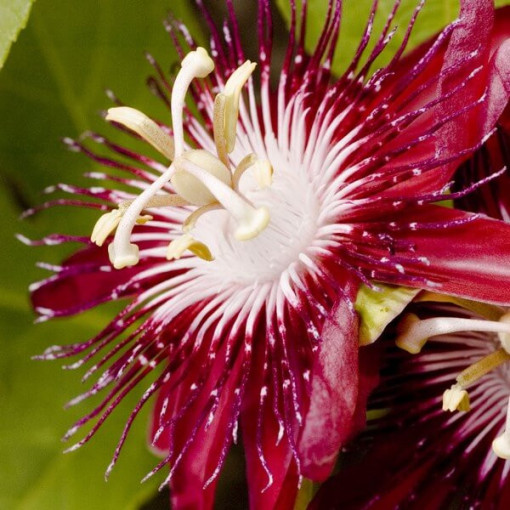
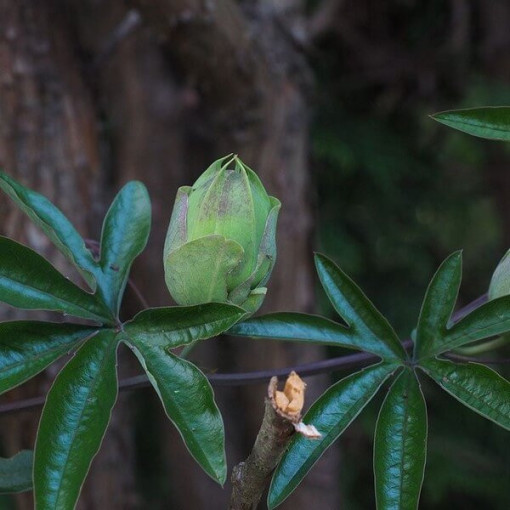
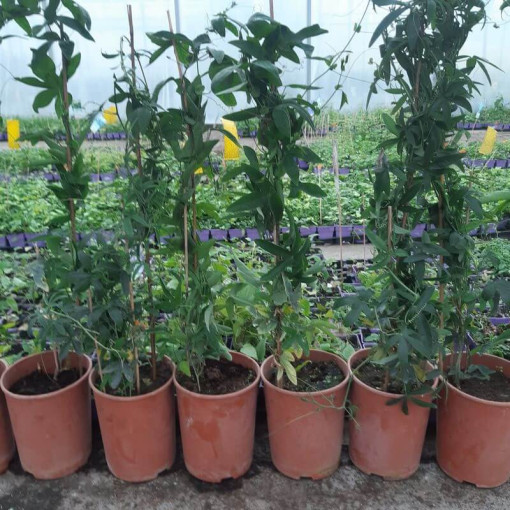
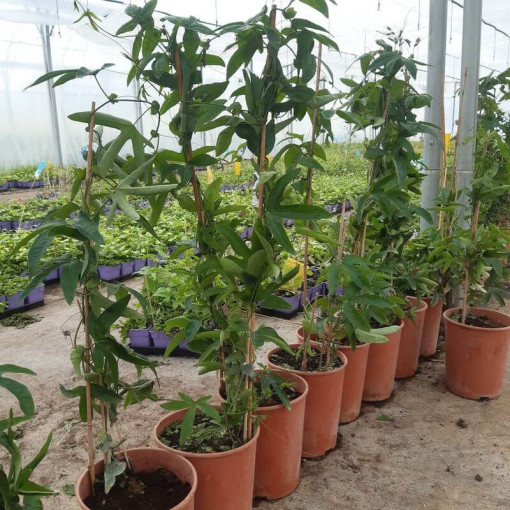
It is an exceptional variety with intensely red, dark pink flowers and dark green, crinkled, semi-evergreen heart-shaped leaves. It is a fast-growing, perennial vine that serves as an original, exotic decoration for gazebos, balconies, fences, and trellises. The vine originates from the tropical regions of South America. It is also suitable for container cultivation, where it grows up to 2 meters.
It is an exceptional variety with intensely red, dark pink flowers and dark green, crinkled, semi-evergreen heart-shaped leaves. It is a fast-growing, perennial vine that serves as an original, exotic decoration for gazebos, balconies, fences, and trellises. The vine originates from the tropical regions of South America. It is also suitable for container cultivation, where it grows up to 2 meters.
Uses: recommended for cultivation both along any kind of fencing and in containers on terraces or balconies, as well as in conservatories. It clings to supports with tendrils. When growing near walls, support is necessary. It produces edible fruits called passion fruits, rich in vitamin C, and their pulp is used to make juices, jellies, smoothies, and delicious fruit cocktails.
Flowering and fruiting: the flowers are flat, with dark pink petals and very decorative long white outer stamens, with colored rings. The crown is purple. The entire flower creates a beautiful contrast. It blooms from June to September. The flowers have a slight fragrance. The fruits, known as passion fruits, are orange-yellow, spherical in shape, and slightly sour.
Position: requires sheltered, warm, sunny locations. Best planted near southern or western walls. Strongly sunlit.
Care: requires fertile, moist, garden soil, well-wooded. In hot summers, water 1-2 times a week, ensuring the root ball remains moist. Frost damages the upper shoots. The plant should be covered with straw for winter. Plants in containers should be placed in a warmer, bright room with a temperature of 5-12°C for the winter. With proper care, the plant can reach a length of 1 meter in 6-8 months. During the dormant period, leaves often fall. However, in spring, new shoots emerge. After the dormant period, it should be cut back to 4-8 buds and the soil replaced.
Pruning: Passionflower blooms profusely on side shoots, so the main shoot should be pruned earlier. It is recommended to cut all frost-damaged and unwanted shoots in April. By shortening the shoots by one-third, we stimulate them to grow faster.