
- Not Available
Clearance Up to 30% Off
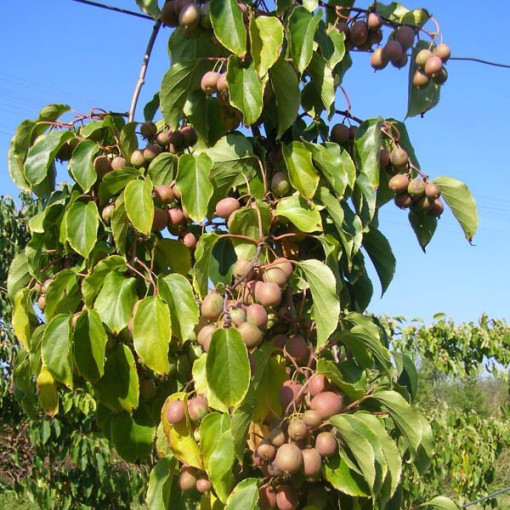
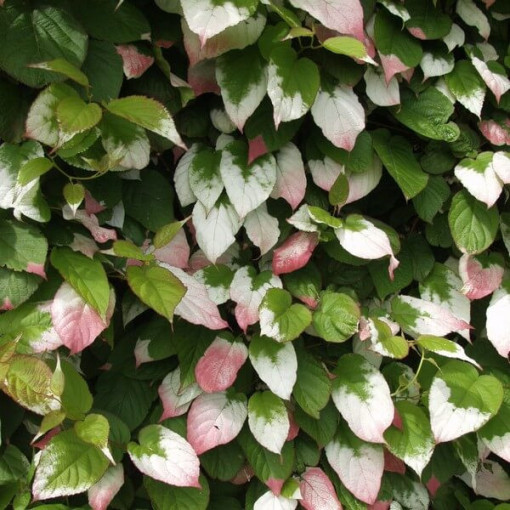
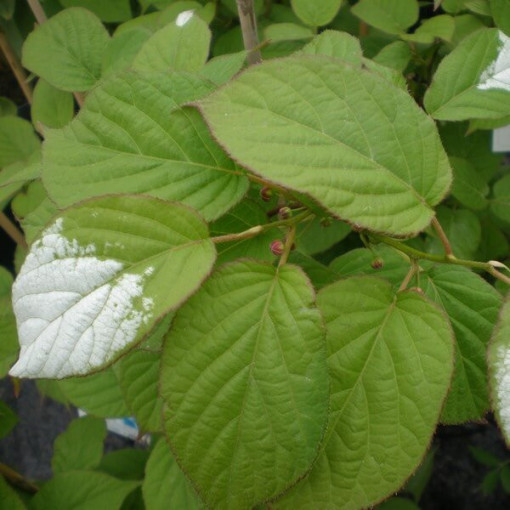
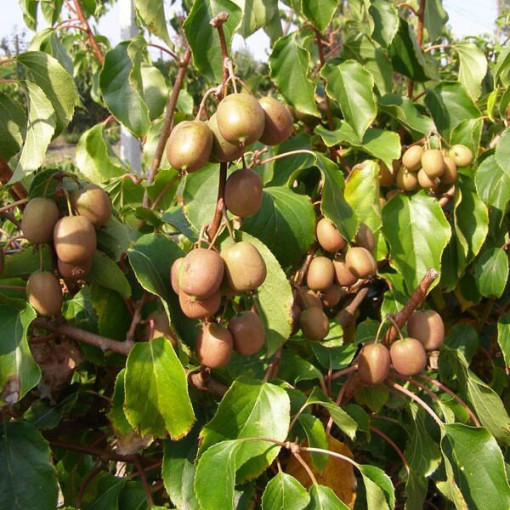
It is an interesting climber that can enhance any garden. It grows up to about 3-4 meters. Its main ornament is the green-white-pink leaves and edible mini kiwi fruits. The leaves change color 2-3 years after planting, most prominently on well-lit leaves. It is a frost-resistant variety. It thrives well in our climate. It does not require a pollinator as it is a bisexual variety. It prefers a warm, sunny location sheltered from the wind. The best time to plant mini kiwi is late spring or autumn, but no later than mid-October. Young plants should be protected from frost.
It is an interesting climber that can enhance any garden. It grows up to about 3-4 meters. Its main ornament is the green-white-pink leaves and edible mini kiwi fruits. The leaves change color 2-3 years after planting, most prominently on well-lit leaves. The plant is highly frost-resistant. It is best to prune it in late autumn or winter (before the start of vegetation) or in summer after partial lignification of new shoots to prevent "bleeding." It can be used as a pollinator for variegated kiwi.
Flowering: It blooms between May and June, with white flowers featuring yellow stamens, and has a light lemon fragrance. This is a female variety with bisexual traits, generally not requiring a pollinator. To produce fruits, it needs about 130 frost-free days. The tasty fruits ripen in August and fall off immediately. It begins fruiting 2-3 years after planting.
Exposure: southern, western, eastern.
Care: It thrives in our climatic conditions. For winter, the lower parts of the plant can be covered with bark to protect against severe frosts. It is best to prune in late autumn or winter (before the start of vegetation). It has no specific soil requirements and prefers sunny positions.
Planting: It climbs around all types of supports, making it suitable for planting near gazebos, pergolas, nets, poles, fences, in home gardens, on allotments, and in production plantations.